
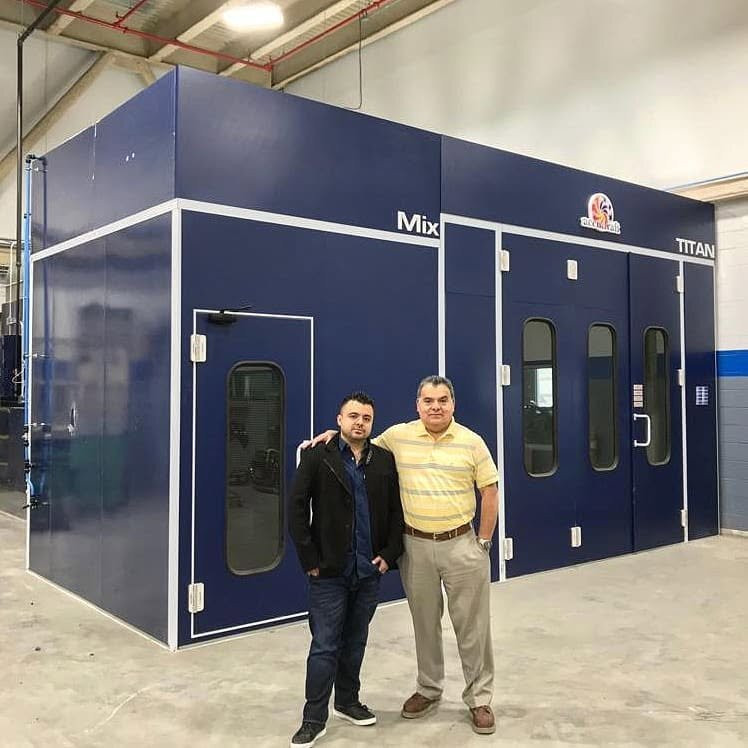
A paint booth is the biggest equipment decision most body shops make. The right booth speeds up every paint job and keeps your finishes clean. The wrong one, or a rushed install, can mean dirt in the paint, failed inspections and a booth that never quite runs right. Here is what to know before you buy and install a paint booth, from a team that has installed more than 200 booths across Long Island, New York City and Westchester since 2006.
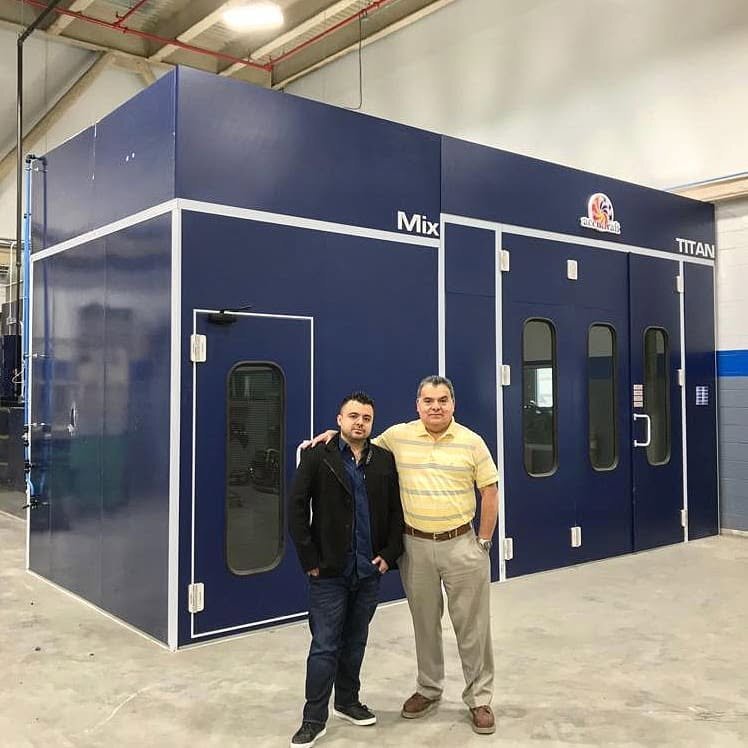
1. Pick the right type of booth
| Booth type | How the air moves | Best for |
|---|---|---|
| Crossdraft | From the doors, across the car, out the back wall | Lower budgets, lighter volume, industrial and refinish work |
| Semi-downdraft | From the front ceiling, down and back to the rear wall | A cleaner finish than crossdraft without a pit |
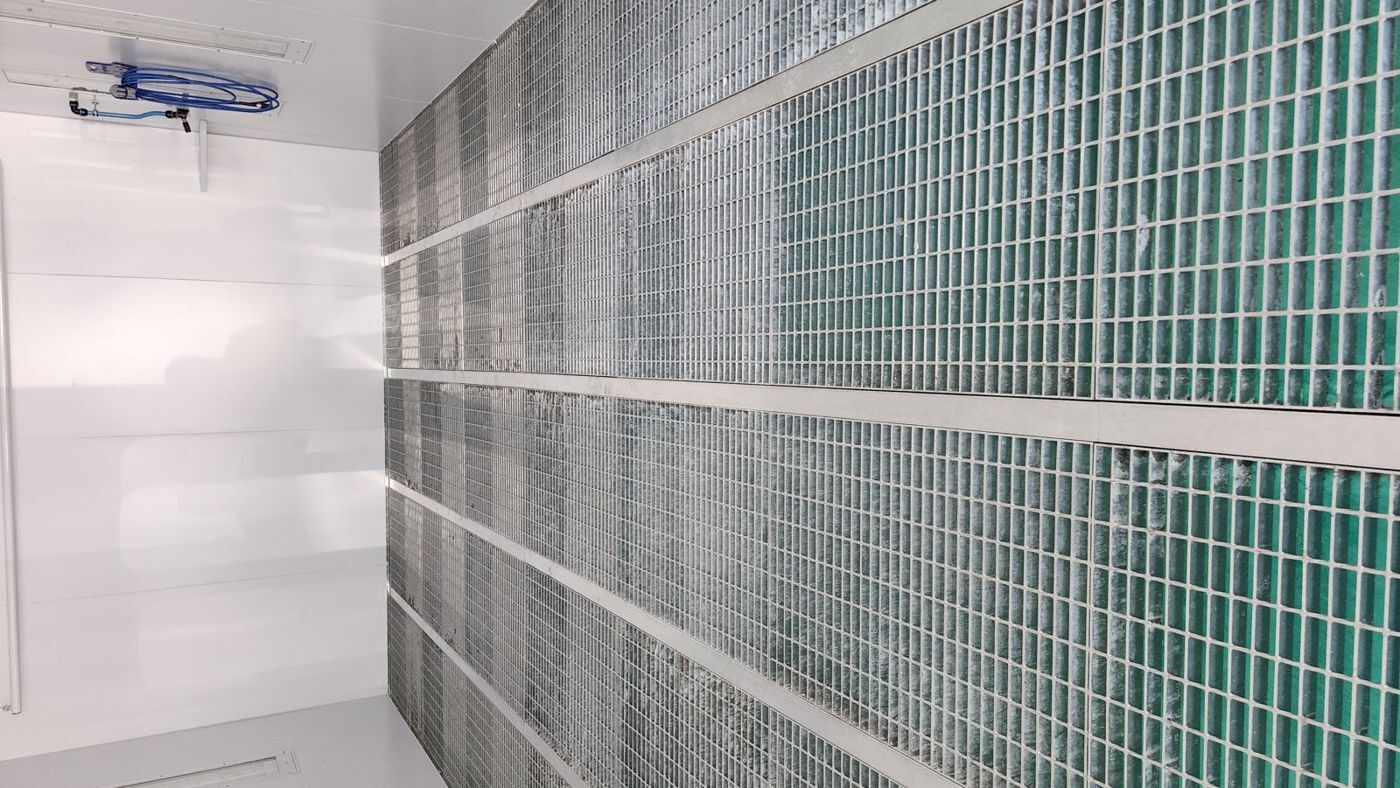
| Side-downdraft | From the ceiling, out through exhaust columns along the side walls | Downdraft quality when you can't dig a pit |
| Full downdraft | From the ceiling, down through the floor (pit or raised basement) | Collision shops and dealerships that want the best finish and highest volume |
For most collision shops we recommend a downdraft. If digging a pit isn't practical, a raised basement or side-downdraft gives you similar results. See the models we install on our AccuDraft paint booths page.
2. Size it for the work you do
- Length and width: leave room to walk and spray all the way around the biggest vehicle you paint. Standard car booths are not long enough for vans, trucks or ambulances.
- Height: check the clear ceiling height of your building, including beams, lights and sprinkler pipes, plus room for the booth's plenum and a raised basement if you use one.
- Doors: make sure the drive-through door fits your largest vehicle.
- Add-ons: a mixing room and a prep station next to the booth keep work moving and the booth free for painting.
For trucks and fleets, see our fleet and municipal shop equipment page.
3. Plan the utilities before the booth arrives
- Heat and cure: most booths use a gas-fired burner to heat the air and run bake cycles. You need the right gas line size and pressure.
- Electrical: fans, lights, controls and the burner need dedicated power. Many booths need 3-phase service.
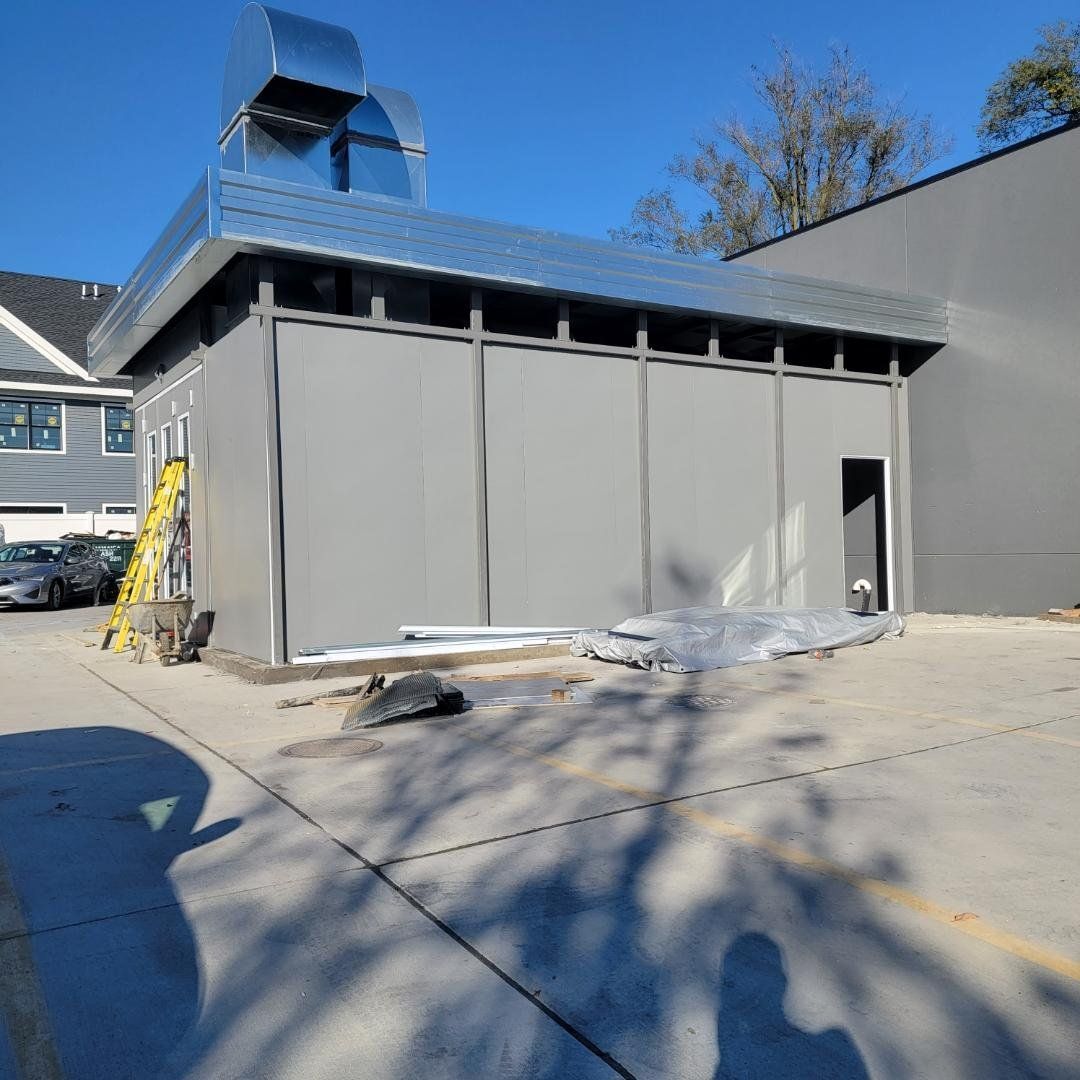
- Exhaust and make-up air: the exhaust stack goes through the roof or wall, and the booth needs a clean supply of fresh air.
- Compressed air: clean, dry air is critical for paint quality. Plan the compressor, dryer and air lines with the booth.
- Floor: a downdraft pit or a level floor for a raised basement. Our crew handles concrete and pits in house.
4. Permits and codes
Paint booths have to meet fire and building codes, including NFPA 33 for spray finishing, and most installations are reviewed by the local building and fire departments. Requirements vary by town and by building, so plan for this early. Depending on your project, we can help with the drawings and information needed for permits.
5. What the installation looks like
- Site visit and layout. We measure the building and plan where the booth, mixing room and prep area go. See shop design and layout.
- Floor work. Pit or concrete work if needed.
- Booth assembly. Panels, doors, lights, plenum, fans and filters.
- Connections. Exhaust stack, gas, electrical and air.
- Startup and testing. We balance the airflow, test the burner and bake cycle, and show your painters how to run it.
6. Keep it running
A booth only paints clean when it is maintained. Change intake, exhaust and floor filters on schedule, keep the burner serviced and keep the booth sealed and clean. We service and repair paint booths from all major brands, including Ameri-Cure and AccuDraft, whether or not we installed them.
Frequently asked questions
How long does a paint booth installation take?
It depends on the booth and the building. The booth assembly itself usually goes quickly; the timeline is driven by permits, any pit or concrete work, and the gas, electrical and exhaust connections. We give you a schedule after the site visit.
Do I need a permit for a paint booth in New York?
In most cases, yes. Paint booths have to meet fire and building codes, including NFPA 33, and local building and fire departments usually review the installation. Depending on your project, we can help with the drawings and information needed for permits.
What is the difference between a crossdraft and a downdraft booth?
In a crossdraft booth, air moves from the doors to the back wall, across the car. In a downdraft booth, air comes from the ceiling and exits through the floor, pulling overspray down and away from the car. Downdraft booths give the cleanest finish and are the standard for collision shops and dealerships.
Do I need a pit for a downdraft booth?
Not always. A full downdraft booth can sit over a pit in the floor or on a raised basement, which avoids cutting concrete. Side-downdraft and semi-downdraft booths need no pit at all. We help you choose based on your building.
Do you service paint booths you didn't install?
Yes. We service and repair paint booths from all major brands, including filters, burners, controls, fans, doors and lighting.
Planning a paint booth?
Tell us about your shop and the vehicles you paint, and we will recommend the right booth and set up a site visit. Call (929) 405-1033 or fill out the form below.