
The 2-post vs 4-post question comes up on almost every shop lift quote we write. Both are great lifts. They are just built for different work. Here is how to choose, based on the kind of jobs you do, your floor and your space, from a team that installs both every week across Long Island, New York City and Westchester.
The short answer
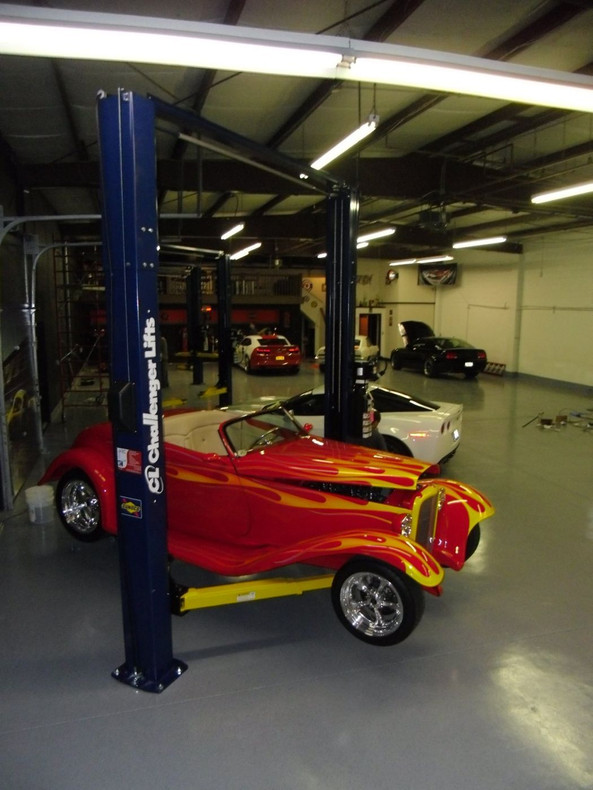
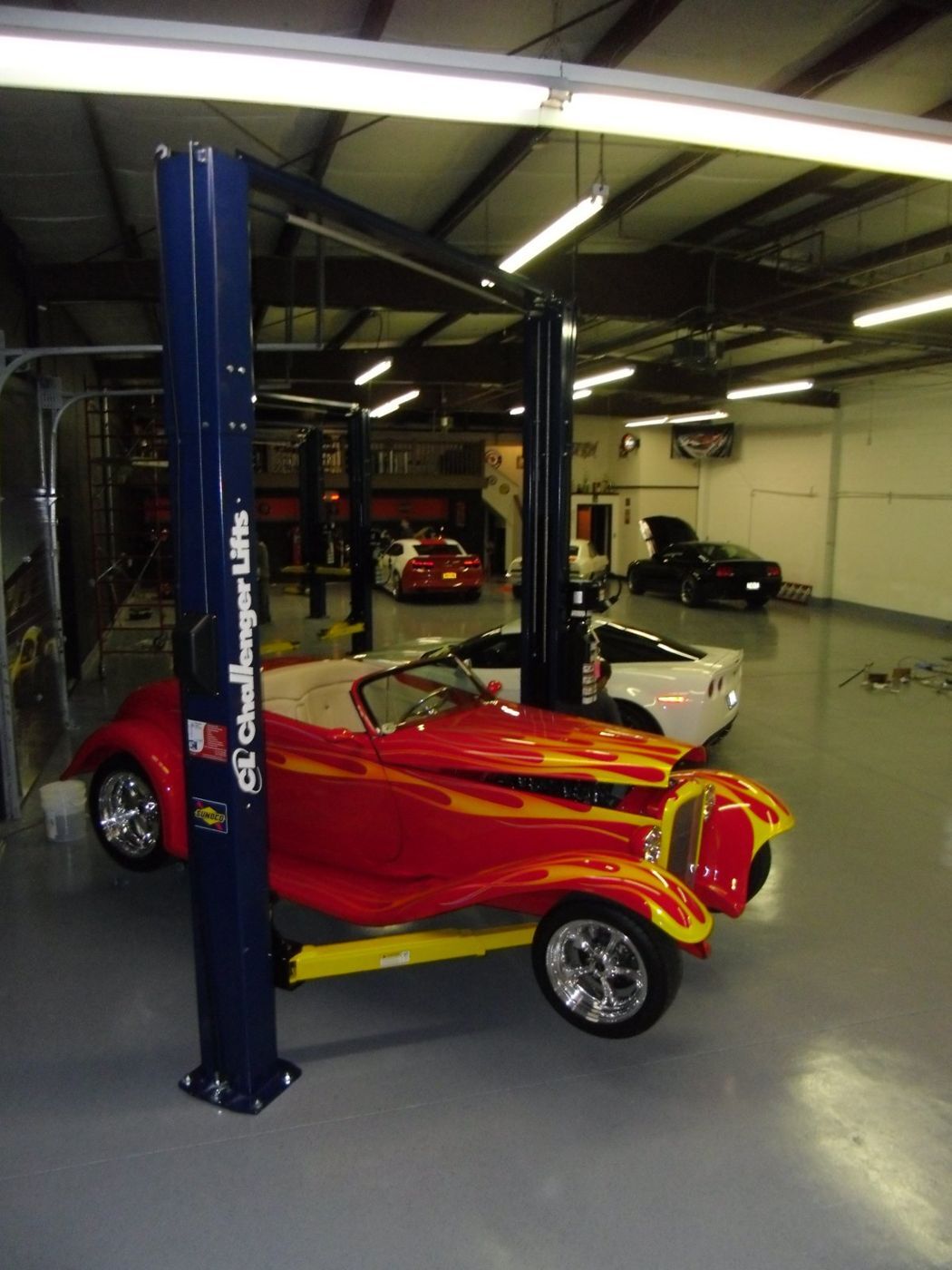
- Choose a 2-post lift if most of your work is brakes, suspension, tires, exhaust and general repair. The wheels hang free and the underside of the car is wide open.
- Choose a 4-post lift if you do alignments, oil changes, inspections, storage or heavy trucks. The vehicle sits on its wheels on two runways, and you just drive on.
- Many shops run both: 2-post lifts in the repair bays and a 4-post alignment lift in one bay.
Side by side
| 2-post lift | 4-post lift | |
|---|---|---|
| How it lifts | Arms under the frame, wheels hang free | Vehicle drives onto two runways and sits on its wheels |
| Best for | Brakes, suspension, tires, exhaust, general repair | Alignments, oil changes, inspections, storage, heavy trucks |
| Setup per car | Position the arms at the lift points each time | Drive on and lift, very fast |
| Wheel-off work | Built in | Needs a rolling jack on the runways |
| Floor space | Smaller footprint, open floor around the bay | Larger footprint because of the runways |
| Concrete | Must be anchored into sound concrete of the right thickness | Many models can sit on the floor; heavy-duty and alignment lifts are anchored |
| Ceiling | About 12 feet for a full-rise lift; short-column models for lower ceilings | Depends on the lift and vehicles; usually less than a full-rise 2-post |
When a 2-post lift is the right call
A 2-post lift is the workhorse of most repair shops. Because it lifts by the frame, the wheels, brakes, suspension and exhaust are all open, and technicians can walk under the car comfortably. It also takes up less space, which matters in a tight bay. The trade-off: every car needs the arms set at the right lift points, and the lift must be anchored into good concrete.
Popular picks: BendPak 10AP series for most cars and light trucks, the short-column BendPak 10AP-SRT for lower ceilings, and heavier-capacity models for trucks and vans. See all 2-post lifts.
When a 4-post lift is the right call
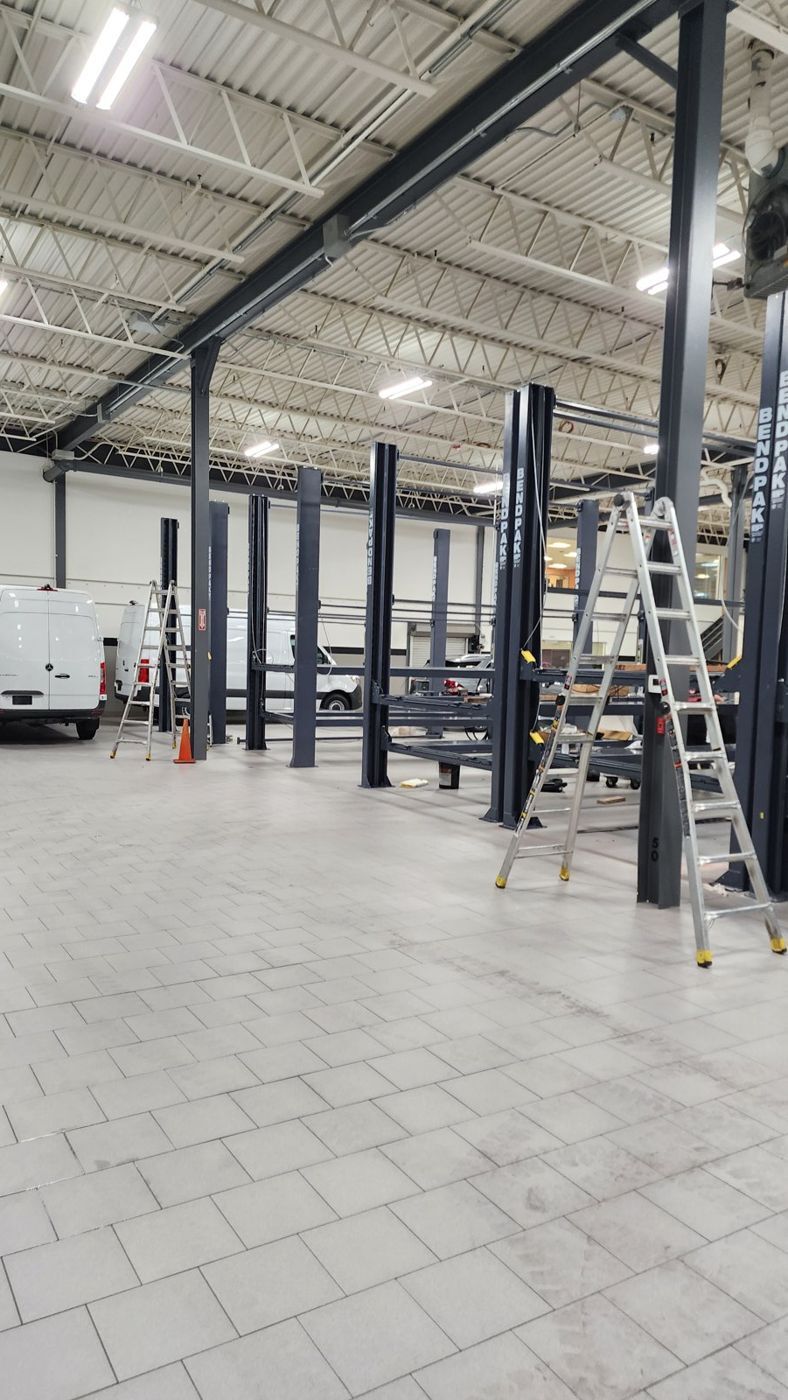
A 4-post lift is the fastest lift to use: drive on, lift, work. It is the standard choice for alignment bays, quick-service and oil change bays, inspection lanes and parking or storage. Heavy-duty 4-post lifts handle trucks, vans and buses that a 2-post lift cannot. For wheel-off work, add a rolling jack that rides on the runways.
Popular picks: BendPak HD series for storage and service, and heavy-duty models for fleets and trucks. See all 4-post lifts and heavy-duty 4-post lifts.
What about alignment?
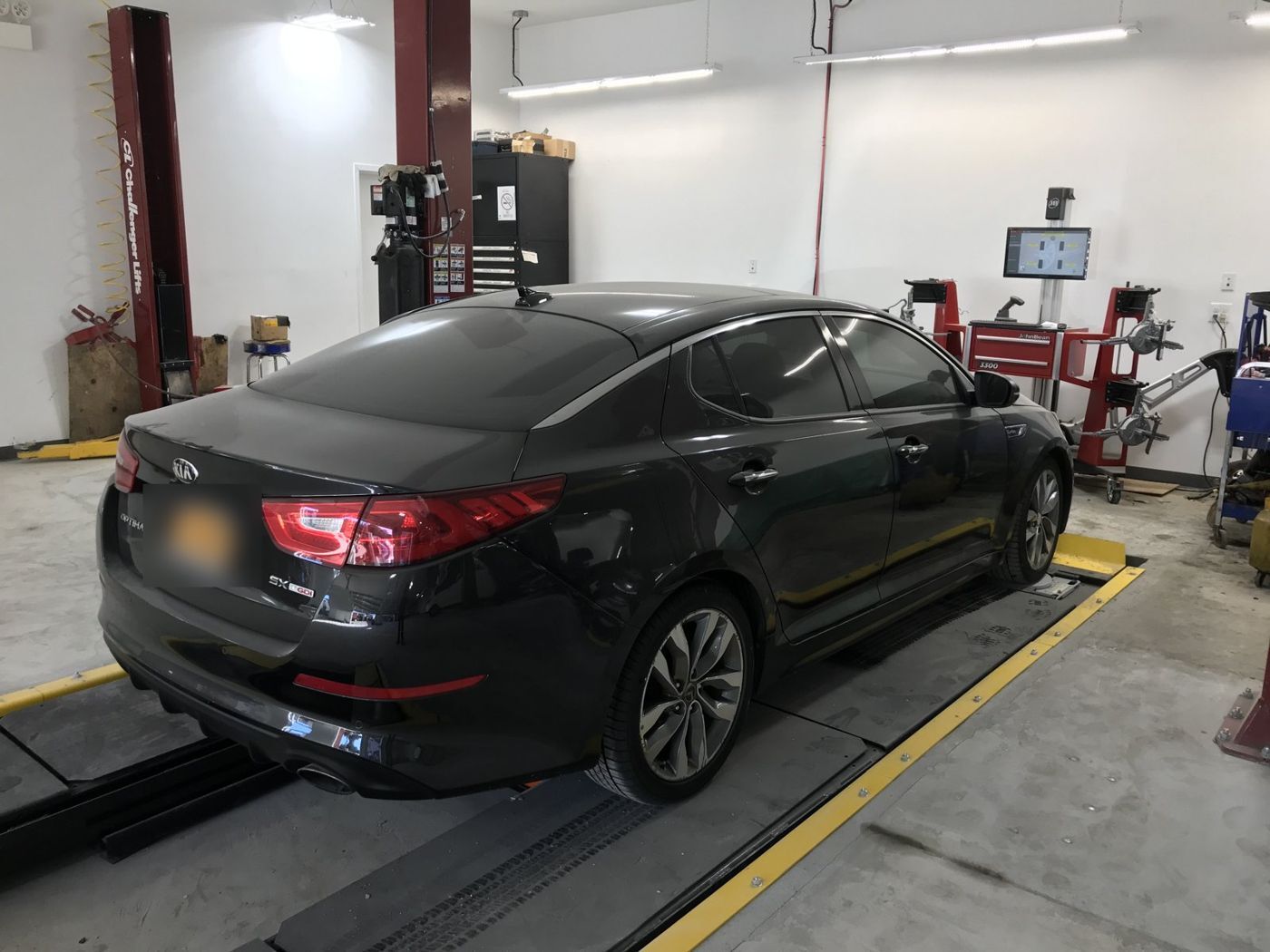
Alignments need the vehicle sitting level on its wheels, so they are done on a 4-post alignment lift or a scissor alignment lift, not a 2-post. If you are adding alignment, plan one bay for it.
Check your floor and ceiling first
Whichever you choose, the lift has to fit the building. For ceiling height, see our guide how much ceiling height you need for a car lift. For the floor, a 2-post lift in particular needs sound concrete of the right thickness. If the slab is thin or cracked, our crew can repair it or pour new footings. For a home garage, see the best car lift for a home garage.
We install and service both
AFS is an authorized BendPak dealer and the exclusive Coats distributor for our area. We visit the site, recommend the right lift for your work and your building, then our own crew handles the installation. After that, we handle annual inspections and repairs, including lifts we did not install.
Frequently asked questions
Which is better for a repair shop, a 2-post or a 4-post lift?
For most general repair work, a 2-post lift. It lifts the vehicle by the frame, so the wheels hang free for brakes, suspension, tires and exhaust, and it takes up less floor space. A 4-post lift is better for alignments, oil changes, inspections, storage and heavy trucks.
Does a 2-post lift need special concrete?
Yes. A 2-post lift is anchored into the floor, so it needs sound concrete of the thickness the lift maker specifies, usually at least 4 inches and more for heavier lifts. We check the slab on every site visit and can pour new footings if needed.
Can I do alignments on a 2-post lift?
Not properly. Alignments need the vehicle sitting level on its wheels, which is what a 4-post alignment lift or a scissor alignment lift is built for.
Which lift takes up more space?
A 4-post lift has a bigger footprint because of its runways and posts. A 2-post lift leaves more open floor around the bay, which helps in tight shops.
Can you install either type and service it after?
Yes. AFS supplies, installs, inspects and repairs both 2-post and 4-post lifts from BendPak, Coats and other major brands across Long Island, New York City and Westchester.
Not sure which lift fits your shop?
Tell us what work you do, how many bays you have and your ceiling height, and we will recommend the right lift and give you an installed price. Fill out the form below or call (929) 405-1033.